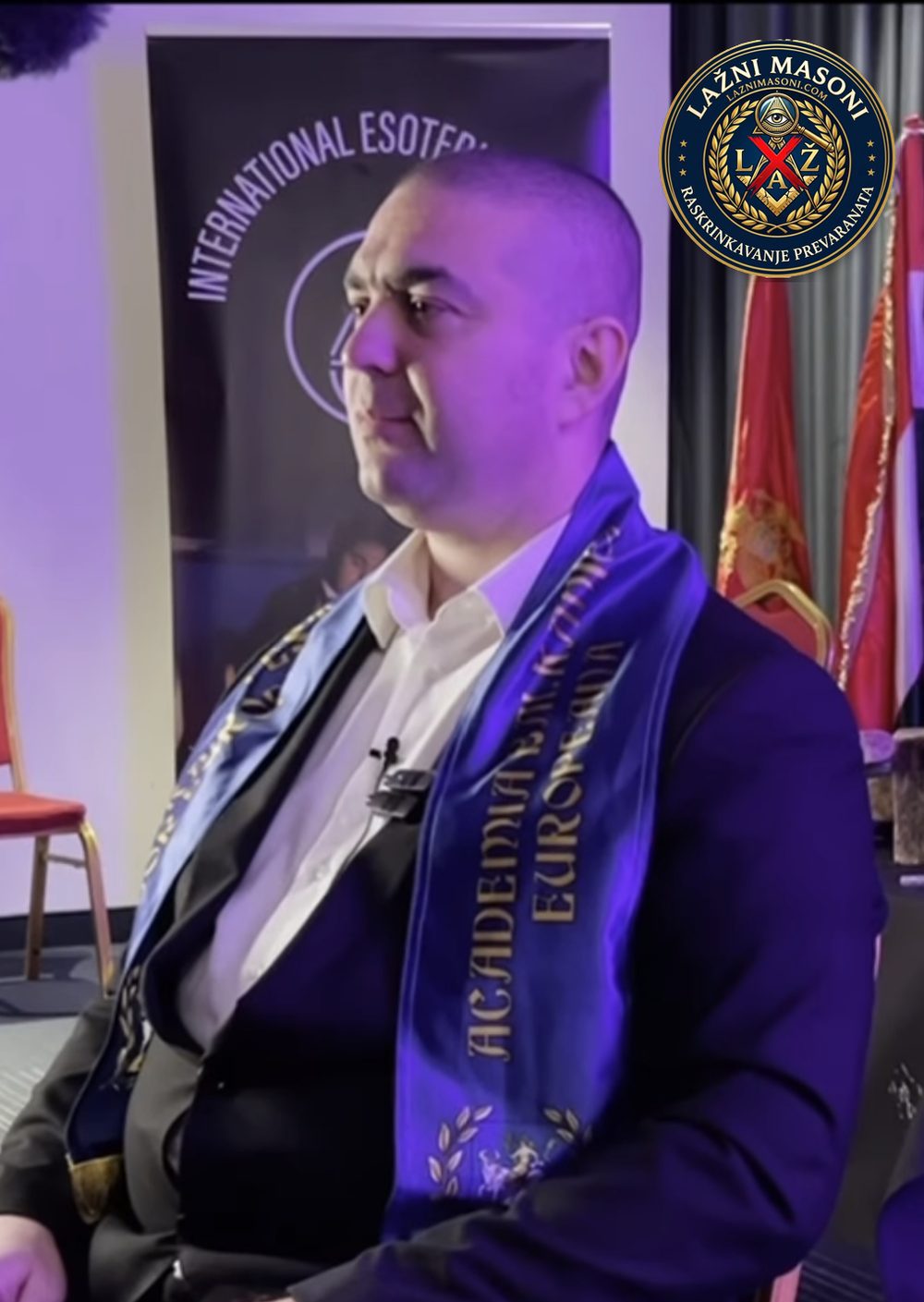
Membership is not a shortcut to power
When an order presents itself through influential professions, a prospective member should ask what is actually offered: knowledge and accountability, or the feeling that the right title will make them important overnight.

A list of professions does not establish authority
If that account is accurate, the question is simple: why should an unnamed member’s occupation be a reason to join an order? A judge does not establish the truth of an esoteric teaching. A doctor does not guarantee its value. A lawyer does not provide moral endorsement. Even confirmed private membership would not mean that the person’s institution supports the organization.
Mentioning prosecutors, police and intelligence services may suggest special access to information, protection or influence. That is a possible interpretation of the message, not evidence that such a network exists or that the speaker intended a threat. A prospective member should therefore demand a clear distinction: are these merely occupations, or are privileges being implied?
When ambition becomes a hunger for privilege
Not every wish to succeed is greed. People may seek knowledge, friendship or meaning. But anyone who expects joining a circle to replace work, learning and responsibility is particularly vulnerable to stories about powerful connections. The question then becomes less what they will learn and more who will open doors.
A listener may supply the promise themselves: they hear ‘influential people’ and imagine money, work or protection. We do not claim that this LIVE promised specific financial enrichment. The point is to separate verifiable statements from what a prospective member wants to hear. ‘Expensive fog’ is a metaphor for the cost of unexamined expectations, not an established payment amount or proof of fraud.
Regalia can be bought. Knowledge must be acquired.
A flag, a book on a stand, ceremonial clothing and an impressive title can attract attention. None alone proves either quality or deception. Their value does not remove the speaker’s obligation to explain the teaching, the basis of their claims and their accountability.
If Freemasonry is understood as work on oneself, it requires patience, study, discipline and responsibility. Membership imagined as a shortcut to wealth already misses that purpose. Belonging does not transfer someone else’s knowledge to you or give you access to their official powers.
Audience comments: a question is more useful than an insult
One original screenshot says, in editorial translation: ‘It is shameful even to belong to this lodge. Work more on yourselves, as Freemasonry requires; stick to the principles.’ Another asks: ‘Why do they call you a Fake Mason?’ The first proposes a standard of conduct; the second requests an explanation. Neither alone establishes the organization’s status.
This is only the supplied selection of reactions, not a representative picture of the audience. We do not turn insults, religious labels or sexual insinuations from other commenters into findings. We do not need an abusive crowd to ask for documents, clear rules and answers to specific questions.
Update: a public performance does not establish credibility
In a subsequently supplied short video, the speaker combines audience scale, exceptional ability, spiritual explanation and personal humility. This summarizes automated transcription, not an audio-verified quotation. His spiritual statement goes on to include other people; it should not be represented as claiming that God is exclusively with his group.
For prospective members, the lesson is practical: attendance, titles, spiritual beliefs and self-described humility do not by themselves establish credibility. Ask for verifiable results, clear rules and accountability. This excerpt does not contain the list of judges, prosecutors and agencies, a specific promise of wealth or a request for payment. The professional-membership claim still requires a separate recording.
Read the timestamped analysis on Decoding (Serbian) ↗
Ask six questions before joining or paying
- What exactly will I study, and what demonstrable knowledge will the programme provide?
- Who runs the organization, who decides, and who can review a decision?
- Is it explicitly stated that membership brings no state protection, preferential decisions or guaranteed employment?
- If payments are required, what is the total cost, who receives it, and what do I receive in writing?
- Can I ask an uncomfortable question or reject an offer without humiliation?
- Can I leave freely, and do I know which obligations end or remain?
Do not buy the feeling of becoming someone else
The answers are not presumed to be negative. They need to be obtained and checked. Set aside titles, costumes and unnamed powerful friends: something clear should remain—work, rules, accountability and results. If only a feeling of importance remains, that is what is being offered. Connections do not confer knowledge, and a membership card does not confer character.
Anonymized view of comments
The images were edited to protect commenters’ identities: names, surnames, usernames, profile photos and account mentions were concealed. AI enhancement may alter visual details; quotations were transcribed from the original attachments. The satirical illustration is labeled separately.
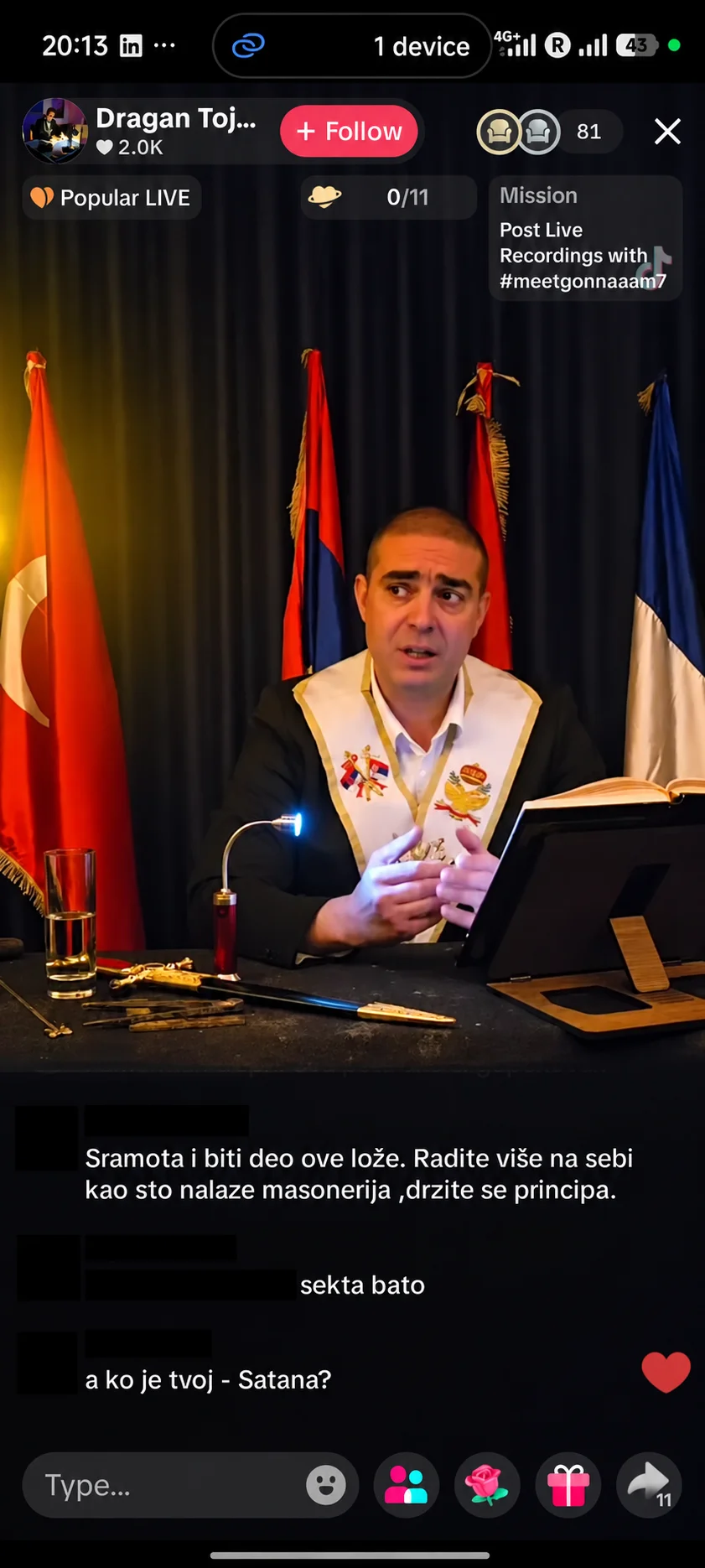
Read the detailed analysis and view the gallery on Decoding ↗
A full recording or verifiable correction may change the assessment. Responses and supporting material can be sent to the editors.